10 Powerful Ways the State Supports Families as Schools Reopen in California
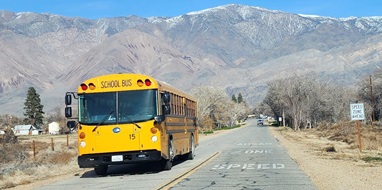
As the school year begins across California, millions of students are heading back to classrooms while parents prepare for the challenges of daily routines, childcare, and expenses. But this year feels different. The state government, under Governor Gavin Newsom, has rolled out an unprecedented set of initiatives aimed at lowering costs, improving education, and ensuring children have every opportunity to succeed. From free healthy meals to universal preschool and expanded after-school programs, California is redefining what it means to invest in children and families.
California NEWS — RusCali — California was the first state in the country to implement a Universal School Meals Program, providing every student in grades TK–12 with two free meals each day. Beyond simply filling lunch trays, the program addresses food insecurity and promotes healthier habits. To extend this support beyond the academic calendar, California also participates in the federal SUN Bucks program, which ensures that children from low-income households continue to receive proper nutrition during the summer months when schools are closed.
Nutrition is getting an upgrade as well. Through the Farm to School initiative, championed by First Partner Jennifer Siebel Newsom, students are served locally grown, fresh, and delicious food. This effort doesn’t just feed children — it builds lifelong healthy eating habits while strengthening California’s farming economy.
Education begins earlier than ever. With the full rollout of Universal Transitional Kindergarten, every four-year-old child in the state now has access to a free year of preschool. That means more than 300,000 children are entering kindergarten with stronger literacy skills and a solid foundation for lifelong learning.
For parents balancing work and family schedules, California is investing heavily in before-school, after-school, and summer learning programs. Students in grades TK–6 have free access to extended learning, enrichment activities, and high-impact tutoring — giving working families peace of mind while boosting student success.
The state is also thinking long-term. Through the CalKIDS program, 3.4 million children from lower-income families now have college savings accounts established in their names. With seed deposits ranging from $100 to $1,500, California has invested $1.9 billion in these accounts, sending a clear message: higher education is within reach for every child.
Literacy has become a top priority. More than half a billion dollars have been allocated to hire and train literacy coaches in schools with the greatest needs, and another $215 million was added in the most recent budget. In addition, for the first time, every child in kindergarten through second grade — over 1.2 million students — will receive annual screenings to detect reading challenges, including dyslexia. To further strengthen early literacy, teachers are now supported by the Golden State Literacy Plan, which provides research-based instructional blocks and proven strategies to help students become confident readers.
Of course, none of these efforts would succeed without qualified and motivated teachers. That’s why California has committed over $4 billion in recent years to recruit, train, and retain educators, ensuring that classrooms are staffed with skilled professionals who are prepared to guide students toward success.
Recognizing the setbacks caused by the COVID-19 pandemic, Governor Newsom has also allocated $7.2 billion through the Learning Recovery Emergency Block Grant. These funds are dedicated to addressing learning loss, providing tutoring, expanding academic support, and offering mental health resources to help students bounce back both academically and emotionally.
Finally, California is transforming schools into true community hubs. Through its ambitious community schools initiative, the state is funding nearly 2,500 schools in high-need areas to provide not just education, but also healthcare, mental health counseling, and social services. These schools are redefining the role of public education by connecting families, local organizations, and educators to ensure that every student has the tools to thrive.
Together, these initiatives form a comprehensive vision for the future of education in California — one that recognizes children as the foundation of the state’s success. By investing in nutrition, early learning, literacy, teacher support, and community resources, California is setting a national example of how schools can become engines of equity and opportunity. For families, this means less stress, fewer financial burdens, and a brighter outlook for their children’s future.